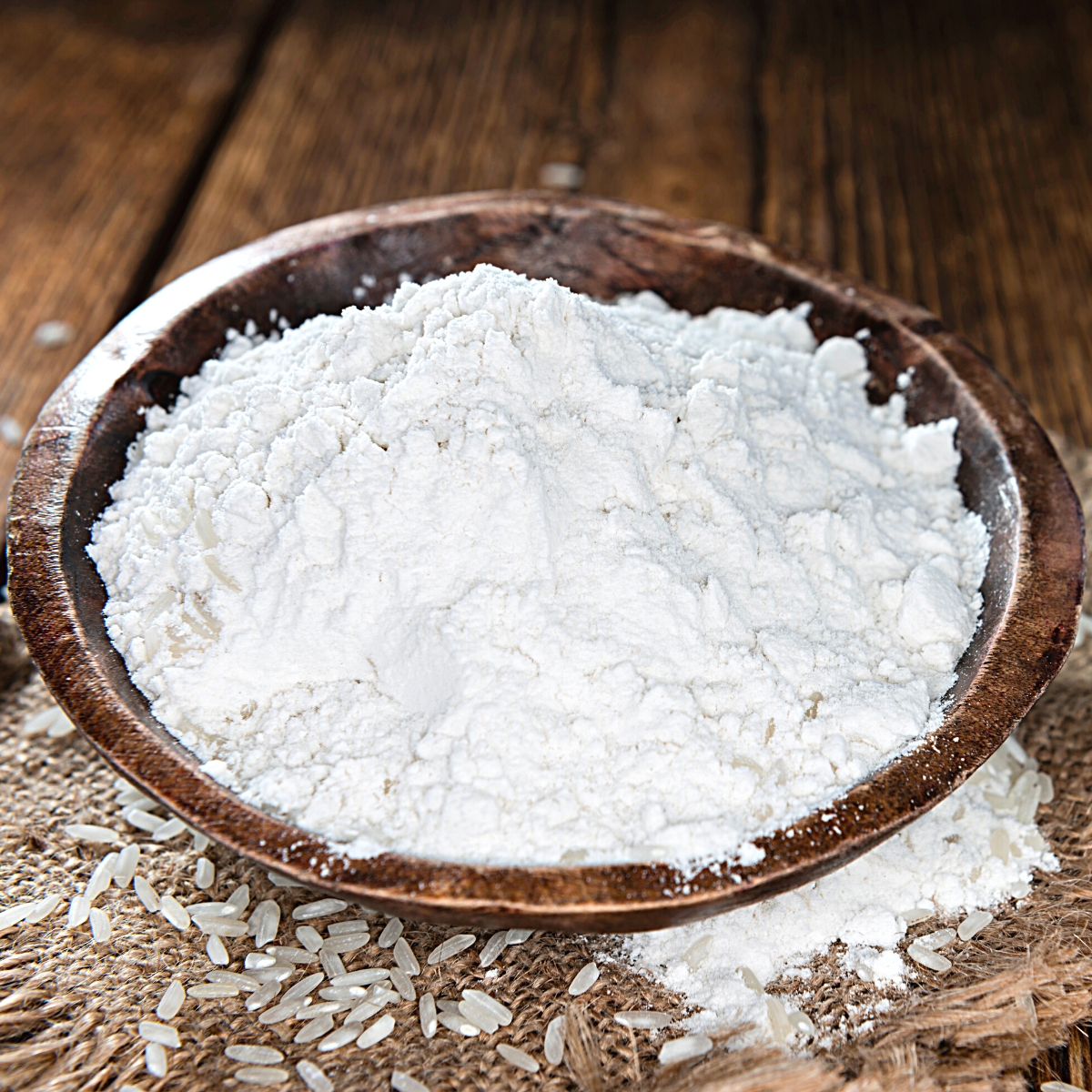
Homemade Rice Flour Recipe
Making your own rice flour at home is simpler than you might think, and it’s a fantastic way to ensure you always have this versatile ingredient on hand.
Servings: 2 cups
Calories: 675kcal
Ingredients
- 2 cups white rice long or short grain
Instructions
- Begin by thoroughly rinsing your rice under cold water until the water runs clear. This step removes any impurities and excess starch, ensuring a finer flour.
- Spread the rinsed rice on a baking sheet and let it air dry for a couple of hours or until completely dry. Alternatively, you can gently dry it in an oven set to the lowest temperature for about 10-15 minutes. The rice needs to be completely dry to grind well.
- Place the dried rice in a high-speed blender or a grain mill. Grind the rice on the highest setting until a fine, powdery flour forms. For a finer texture, sift the flour to remove any larger particles and then grind again.
- Transfer the rice flour to an airtight container and store it in a cool, dry place. It can also be refrigerated to extend its shelf life.
Notes
- While white rice is most commonly used, feel free to experiment with brown rice for a whole-grain version. Brown rice may result in a slightly nuttier flavor; I have covered the whole recipe, which is quite similar to the one in my article, substitutes for brown rice.
- Don’t skip the sifting if you’re aiming for super fine flour. It makes a difference in the texture of your baked goods.
- When grinding the rice into flour, try to do it in small batches and take frequent breaks to avoid overworking your blender.
- Homemade rice flour can be used in the same way as store-bought rice flour.
Nutrition
Calories: 675kcal | Carbohydrates: 148g | Protein: 13g | Fat: 1g | Saturated Fat: 0.3g | Polyunsaturated Fat: 0.3g | Monounsaturated Fat: 0.4g | Sodium: 9mg | Potassium: 213mg | Fiber: 2g | Sugar: 0.2g | Calcium: 52mg | Iron: 1mg