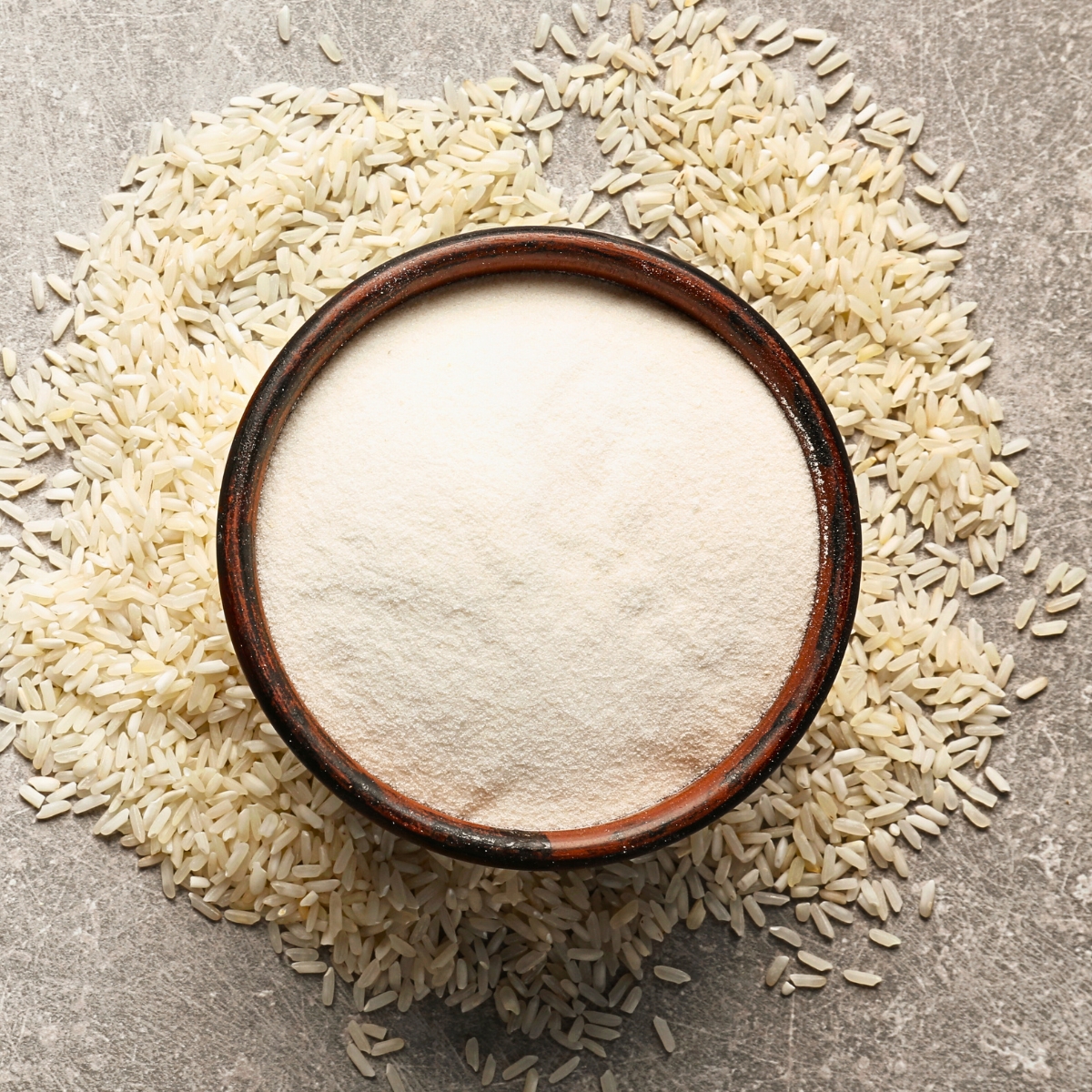
How to Make Glutinous Rice Flour at Home
Making glutinous rice flour or any rice flour at home using this method is easy and economical. Here's a simple, tried-and-tested method you can follow to get it right every time.
Servings: 2 cups
Calories: 685kcal
Equipment
- Blender or Food Processor
- Strainer
- Fine Linen Cloth (such as cheesecloth or a fine muslin cloth)
- Airtight container for storage
Ingredients
- 2 cups Glutinous Rice Sticky Rice or Sweet rice
- Water for soaking and blending
Instructions
- Begin by washing the glutinous rice under cold water to remove any impurities and rice dust.
- Soak the rice overnight in 1.5 cups of water. This step ensures that the rice is sufficiently hydrated, making grinding easier.
- After soaking, drain the rice and add it to the blender with ¼ to ½ cup of fresh water or as needed. Blend until you get a smooth paste.
- Line a fine mesh strainer with a fine linen cloth and place on top of a large bowl.
- Pour the blended rice mixture through it. Gather the edges of the cloth and lightly cover the top of the rice mixture with it.
- Let the mixture sit in the strainer for 30 minutes to an hour. The water will naturally drain into the bowl.
- Then, place a heavy object, like a bowl or small pan, on top to apply pressure and help release the rest of the water. Leave it for a minimum of 8 hours to overnight.
- Once the water is completely drained, open the cloth to find the hydrated rice flour.
- Break it into small pieces to help it dry more easily. Spread these on a baking sheet if you’re sun-drying, or prepare for oven/dehydrator use.
- For sun drying, ensure it’s a hot, sunny day. For oven drying, set to the lowest setting, ideally around 150°F (65°C), and check periodically until it is completely dry.
- Break or rub the dried flour to crush any lumps, then sift through a fine mesh sieve to collect the fine powder.
- For best freshness, store the flour in an airtight container at room temperature for up to a month or in the freezer for up to three months.
Notes
- A fine muslin cloth or cheesecloth is recommended for its tight weave, ensuring only the finest particles pass through.
- Sun drying is the traditional method, but using an oven or a dehydrator gives you control over the drying process, which is crucial for humid climates. The drying process is an important step to prevent mold.
- Keeping the flour in a cool, dark place extends its shelf life, preserving its freshness and preventing spoilage.
Nutrition
Calories: 685kcal | Carbohydrates: 151g | Protein: 13g | Fat: 1g | Saturated Fat: 0.2g | Polyunsaturated Fat: 0.4g | Monounsaturated Fat: 0.4g | Sodium: 13mg | Potassium: 142mg | Fiber: 5g | Calcium: 20mg | Iron: 3mg