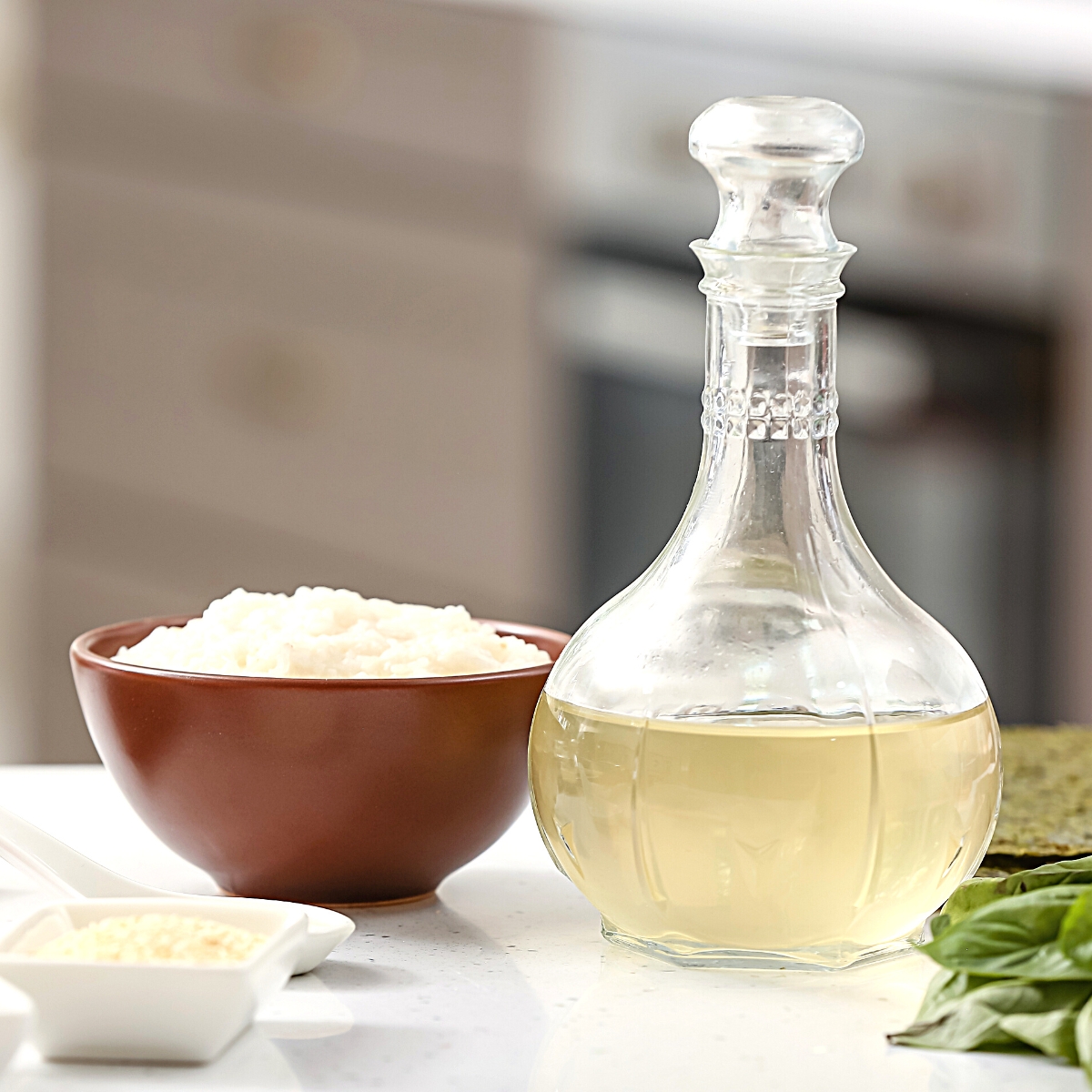
DIY Rice Vinegar Substitute: A Homemade Alternative
A DIY solution offers a comparable taste profile when rice vinegar is unavailable. Creating your own substitute is straightforward and uses common ingredients to capture rice vinegar's subtle sweetness and mild acidity. Whether for sushi, pickles, or dressing, this recipe provides a reliable alternative, suitable for any dish requiring rice vinegar.
Servings: 1 Jar
Calories: 1356kcal
Ingredients
- 2 cups uncooked rice preferably white or jasmine rice
- 1 to 2 ounces mother of vinegar or rice wine vinegar (optional)
- 34 ounces water 1 liter water
Instructions
- Start by cooking the rice according to package instructions. Allow the cooked rice to cool completely to room temperature.
- In a large glass or ceramic container, combine the cooled cooked rice with mother of vinegar or rice wine vinegar (if using). The mother of vinegar or rice wine helps kickstart the fermentation process, but it's optional.
- Pour the water into the container, covering the rice thoroughly. Stir the mixture gently to combine the ingredients.
- Cover the container with a clean cloth or paper towel and secure it with a rubber band or string. Place the container in a warm, dark place with a consistent temperature between 70-80°F (21-27°C) to ferment.
- Allow the mixture to ferment for about 2-3 weeks, stirring it gently every day to aerate and promote fermentation. During this time, the rice will undergo fermentation and transform into vinegar.
- After 2-3 weeks, taste the vinegar to check for acidity. It should have a tangy flavor similar to store-bought rice vinegar. If it's not acidic enough, let it ferment for a few more days, tasting it periodically until it reaches the desired acidity level.
- Once the vinegar has reached the desired acidity, strain out the fermented rice solids using a fine mesh strainer or cheesecloth, transfer the strained liquid to a clean glass bottle or jar, and store it in the refrigerator for up to 6 months.
Notes
Fermentation:
- The duration of fermentation may vary depending on factors like temperature and rice type. Taste the vinegar periodically to gauge acidity levels and adjust fermentation time accordingly.
- While 2-3 weeks can be sufficient to achieve a basic level of acidity and flavor, a longer fermentation period can result in a more complex and developed vinegar.
- Ensure the container is securely covered with a clean cloth or paper towel to prevent contamination while allowing airflow for fermentation.
- Maintain a consistent temperature between 70-80°F (21-27°C) throughout the fermentation process to encourage optimal microbial activity.
- Always use a clean spoon to taste the vinegar, and don't double dip.
Nutrition
Calories: 1356kcal | Carbohydrates: 296g | Protein: 26g | Fat: 2g | Saturated Fat: 1g | Polyunsaturated Fat: 1g | Monounsaturated Fat: 1g | Sodium: 67mg | Potassium: 426mg | Fiber: 5g | Sugar: 0.5g | Calcium: 134mg | Iron: 3mg